
Giant Moths of Northwest Wisconsin
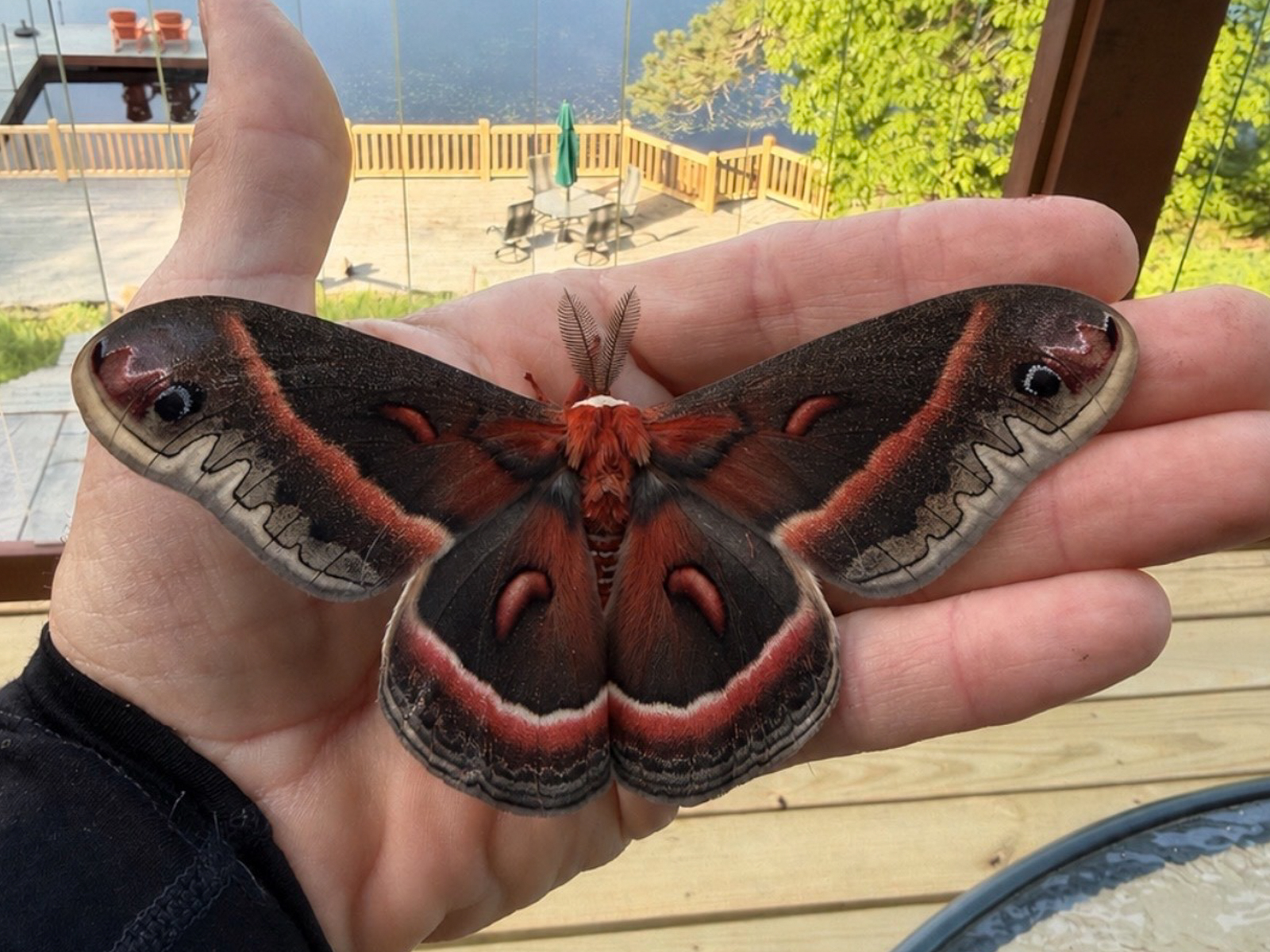
The Giant Moths of Northwest Wisconsin. . . and what they tell us about a healthy forest.
Anyone who has fly-fished the Bois Brule River in the dead of night knows the sound: Whippoorwills calling up and down the river, hunting the big night-hatching mayflies like the Brown Drake and Hexagenia Limbata. Alongside these insects, come the behemoth moths that thrive in the healthy Brule River Forest.
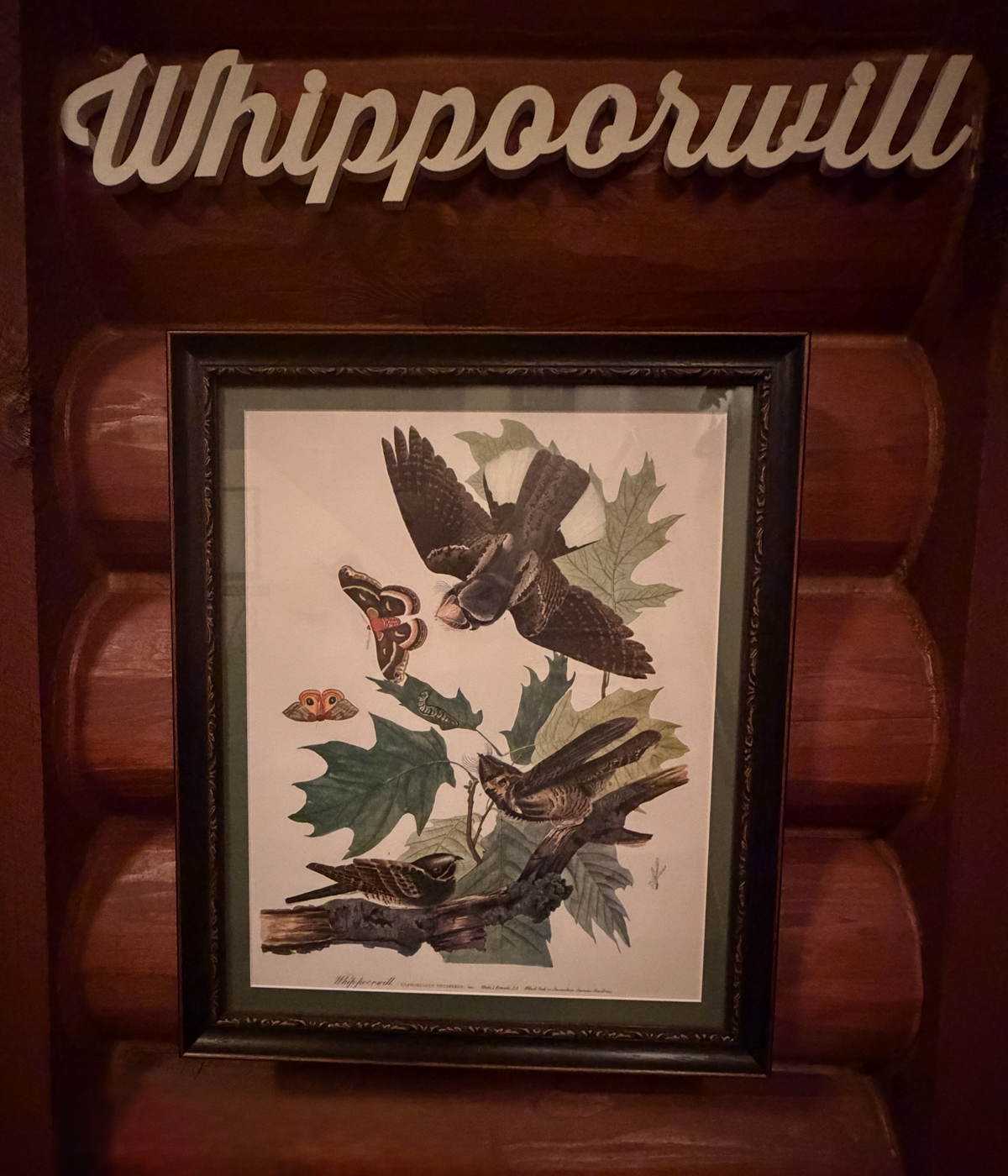
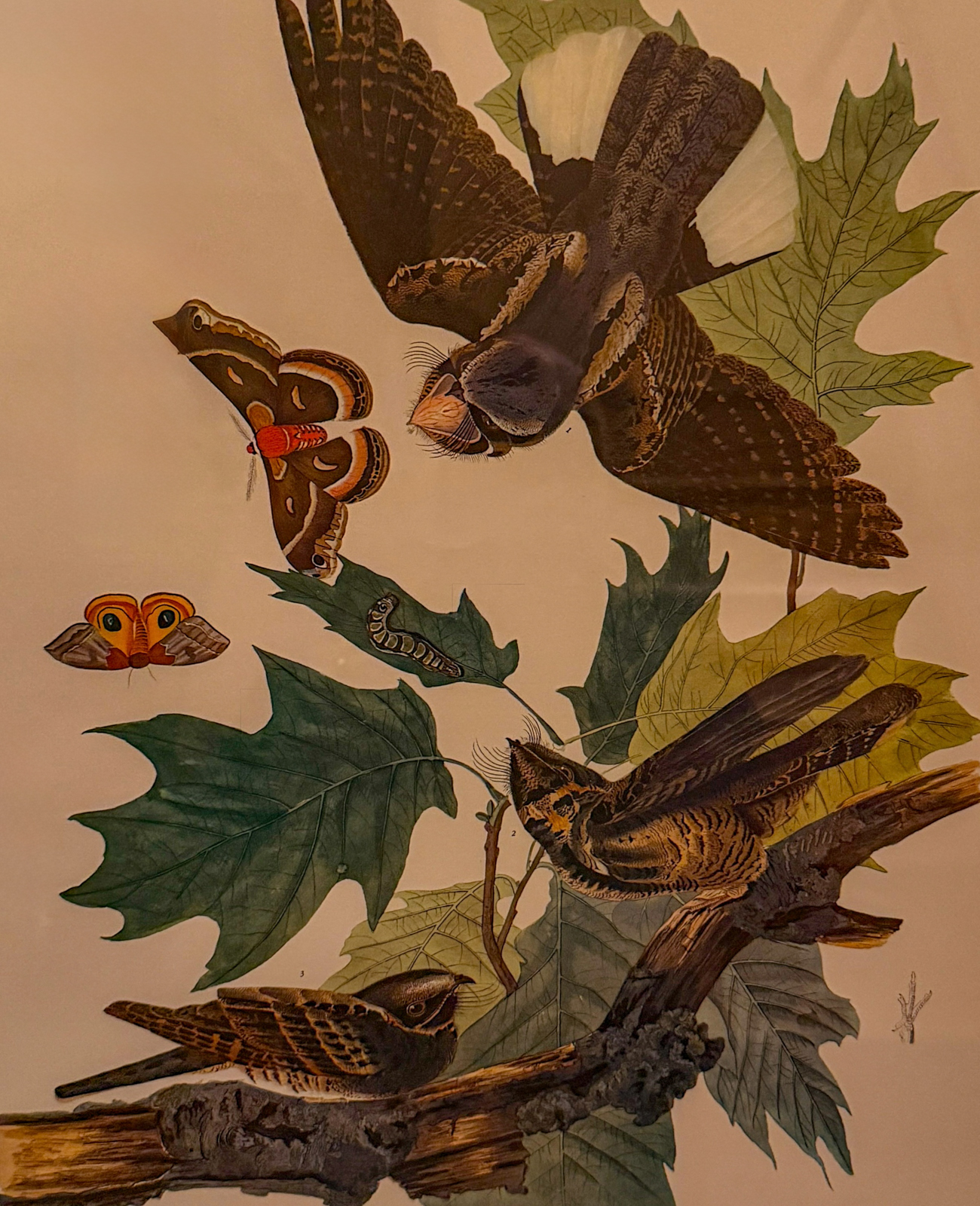
Take a look at the my framed print of "plate 82" from the artwork of John James Audubon. It features a "Whip-Poor-Will" and moths against a foliage background. The large moth in the print is the same one that I saw near our cabin this past week: a Cecropia moth.
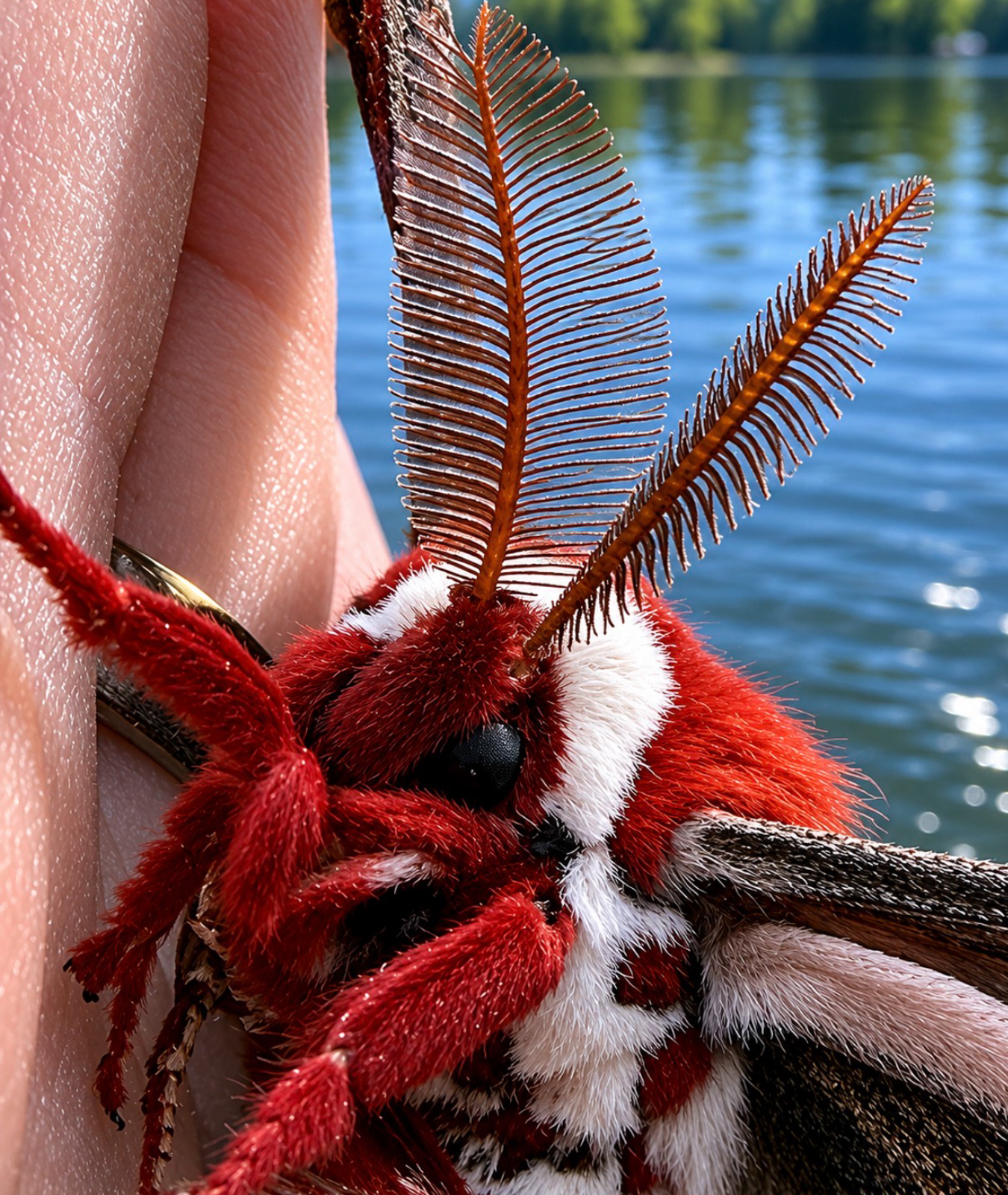
I’ve long known that Whippoorwills are insectivores, and that in a truly healthy habitat there has to be a high density of night-flying insects, with moths making up the bulk of their diet. This past week near our cabin, I got to photograph the three giants that headline that menu. These three largest moths in North America all have wingspans of 5–7 inches, and their sizable caterpillars feed on the leaves of hardwoods including maple and birch. Here they are:
Cecropia moth (Hyalophora cecropia). This is North America’s largest native moth, with wingspans over 6 inches. Reddish-brown and gray wings with crescent-shaped spots, and large feathery antennae on the male that can detect female pheromones from miles away. It’s the same moth featured in John James Audubon’s “Plate 82” alongside a Whip-Poor-Will. I’ve named our forest property “Whippoorwill” and a framed print of Audubon’s art piece adorns a wall in our cabin.
Polyphemus moth (Antheraea polyphemus). This is a giant silk moth easily recognized by the large purplish eyespots on its hindwings, which I understand evolved to startle predators. The one I photographed had a wingspan of about 5½ inches.
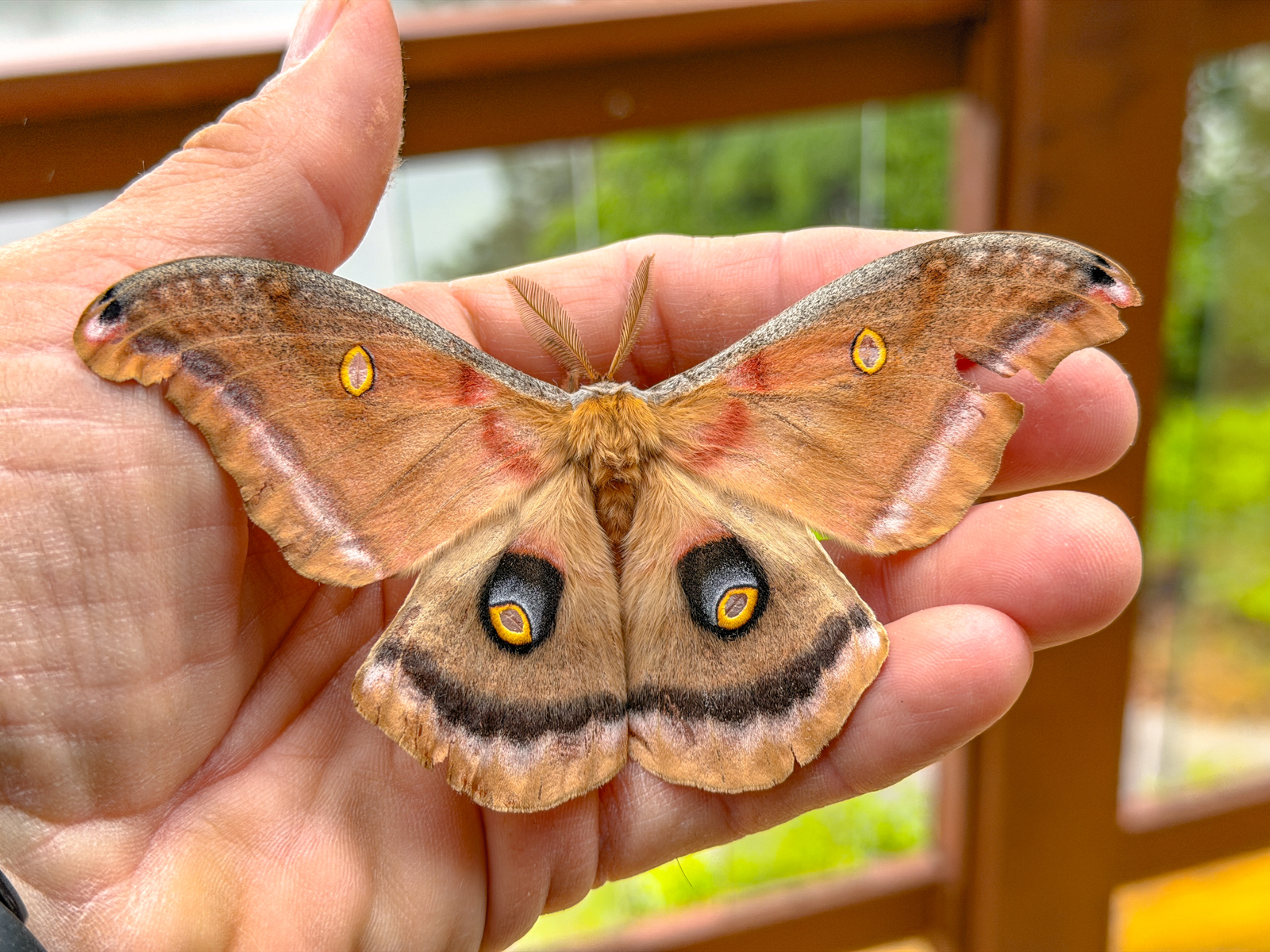
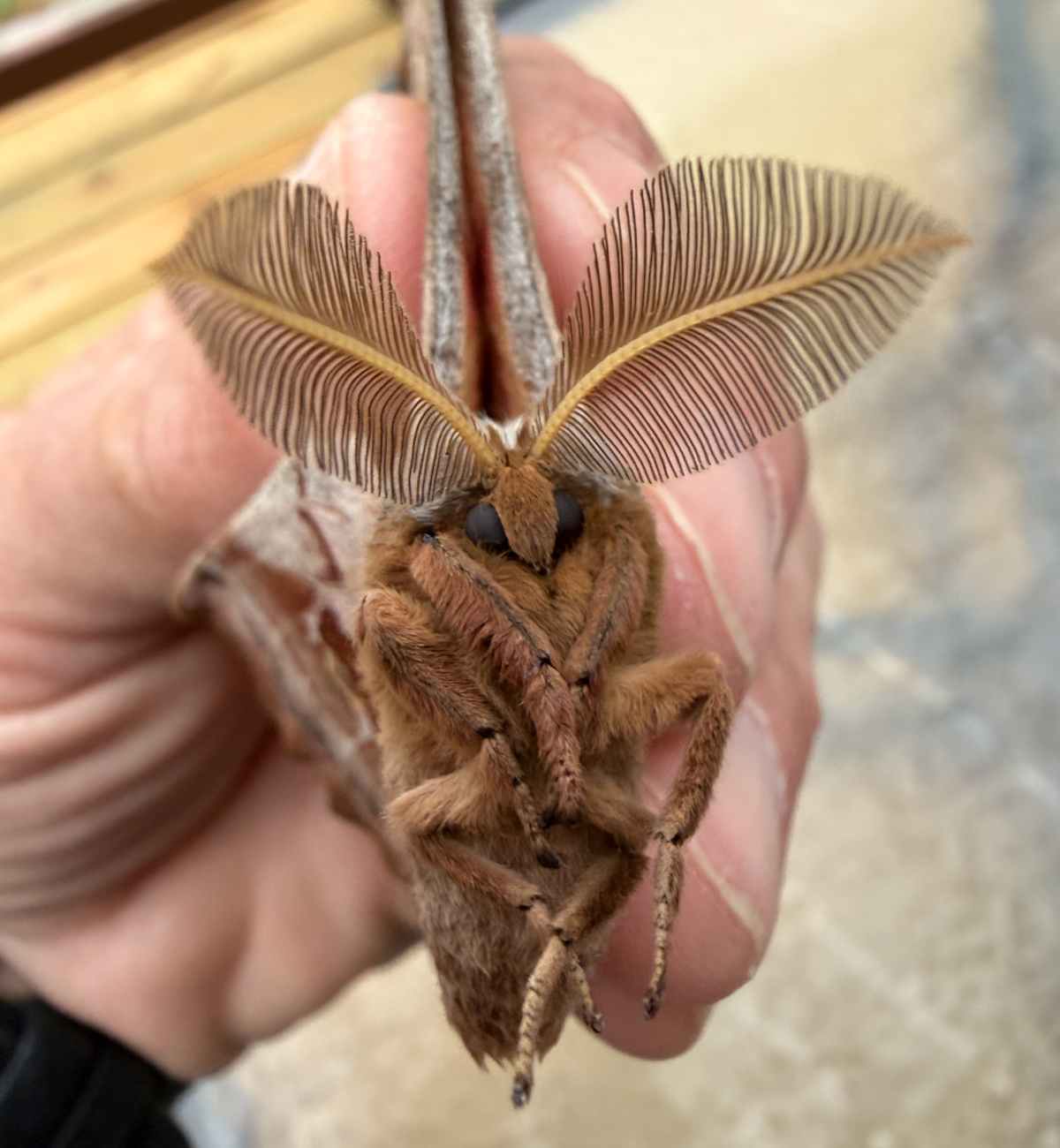
Luna moth (Actias luna). I think these are seen more than the others. They have those unmistakable lime-green wings with moon-like eyespots, believed to confuse predators like bats and birds. I read that the long tails on the hind wings may even help deflect sonar attacks from hunting bats. What?!
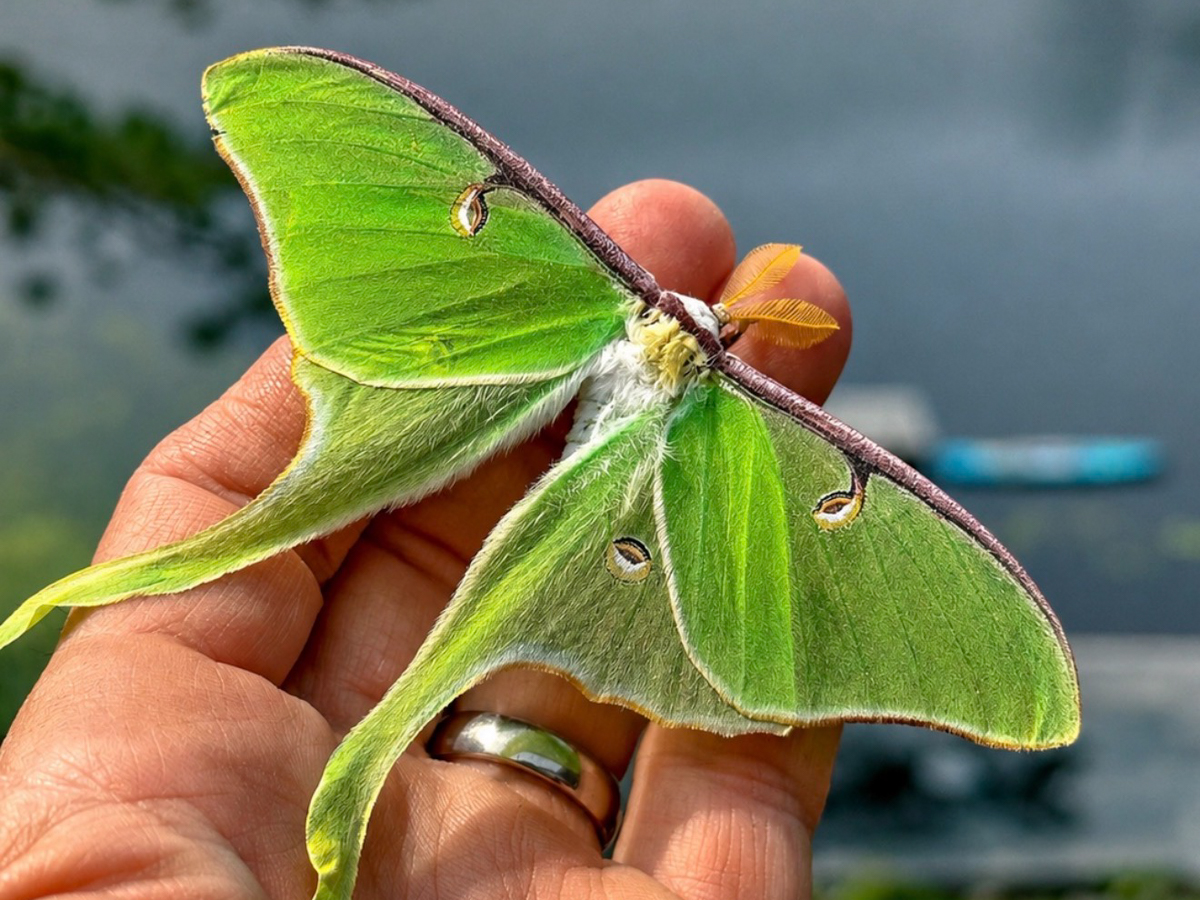
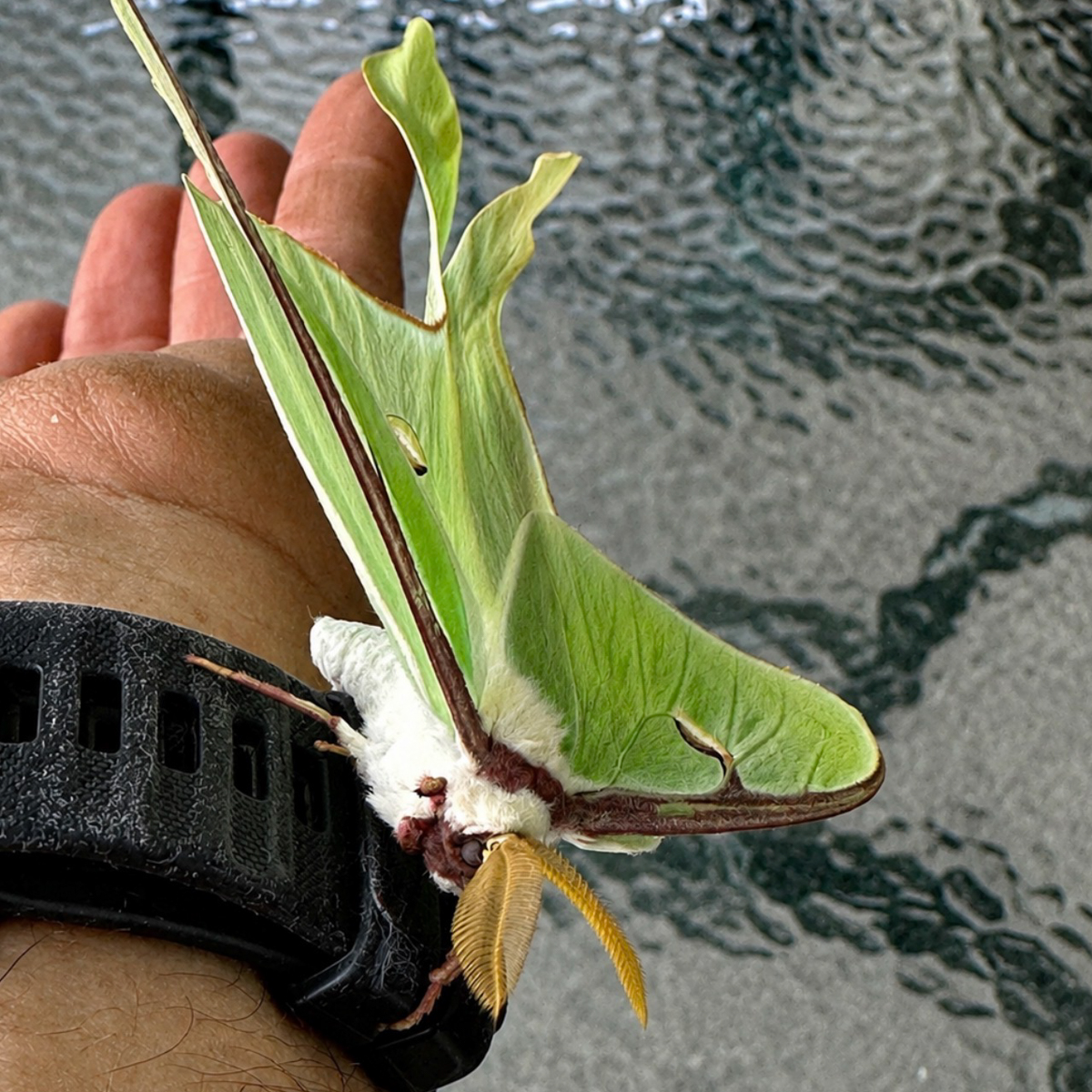
Why I’m excited about seeing all three in our forest is that these giant moths are a major food staple wherever Whippoorwills hang out. Other regions are watching their Whippoorwill populations decline because the giant moths themselves are declining, driven by habitat destruction and parasites. Seeing all three of these species around our cabin tells me our forests in Northwest Wisconsin, including the Brule River State Forest, are still in great condition. The Whippoorwills calling over the river at midnight are the proof.
Paul
Screenshot